
How thinking positively keeps you healthy
It’s those people, who are able to keep a positive mindset that tend to be healthier than those, whose outlook is more often pessimistic. In IBS, symptoms tend to be less severe if you are able to cope with the symptoms and think about them less negatively.
What is your general mindset like? Do you see the good in things? Do you believe problems have solutions and that things will work out? Or do you tend to focus on the negatives and be critical about everything?

Benefits of positive thinking
Your risk of heart disease goes down. In fact, optimism is an independent predictor of cardiovascular risk! It means that everything else considered, having an optimistic view on life on its own helps you reduce your risk of heart disease.
Your mood is better. Anxiety and depression are lower. Stress becomes reduced as daily stressors just don’t feel so bad when your attitude is positive. And with this improvement in mental health comes many benefits to your physical health.
Even your immunity improves, and pain becomes chronic or debilitating less often.
For IBS, positivity means reduced experience of pain. Stress reduction calms the nervous system, which in turn helps reduce IBS symptoms. This is why thoughts have such a strong role in my work with patients, both 1-on-1 and online programs.
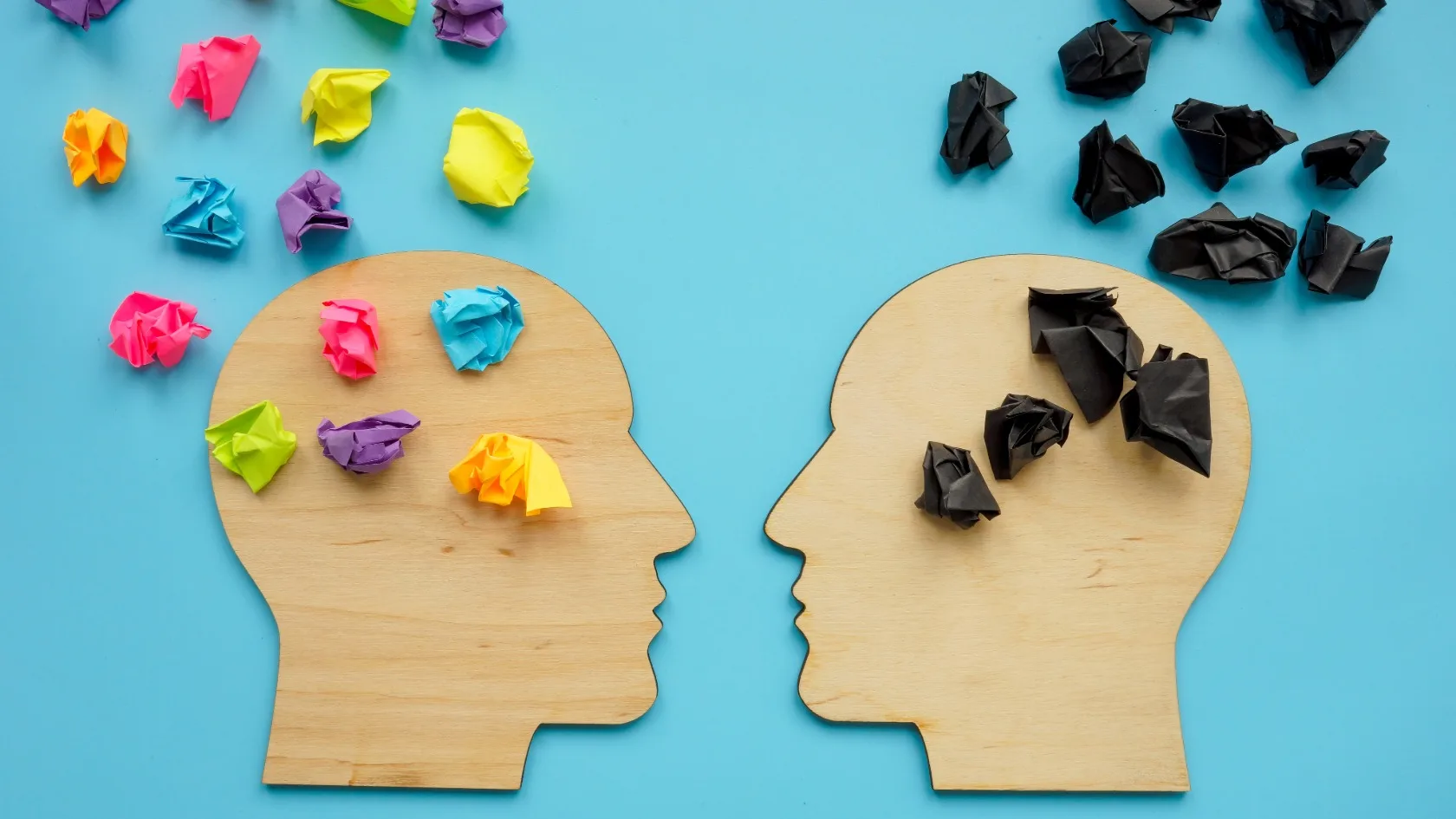
In all, optimism and positive mindset are personality traits that protect your health and reduce your risk of dying from any cause. But perhaps even more importantly, being positive helps you be happy and satisfied with life. Isn’t that what we all are seeking?
But how? How is it possible that your mental attitude can have such a strong effect on health?
One theory is that when you are happy, you take better care of yourself. You eat better, you exercise. You see a doctor if you need it (and do what they say). You go to friends for support.
But being positive has also direct health effects on your body through reduced inflammation and improved immunity.
How to keep a positive mindset
Positivity is a choice. You can choose to see things in a positive light. You can expect that every problem has a solution. Not that you close your eyes from difficult things: what you do is make a conscious decision about your inner response to all the things that happen to you.
That said, it might not always be so easy to do. Especially if you’ve been in the habit of being a pessimist in the past.
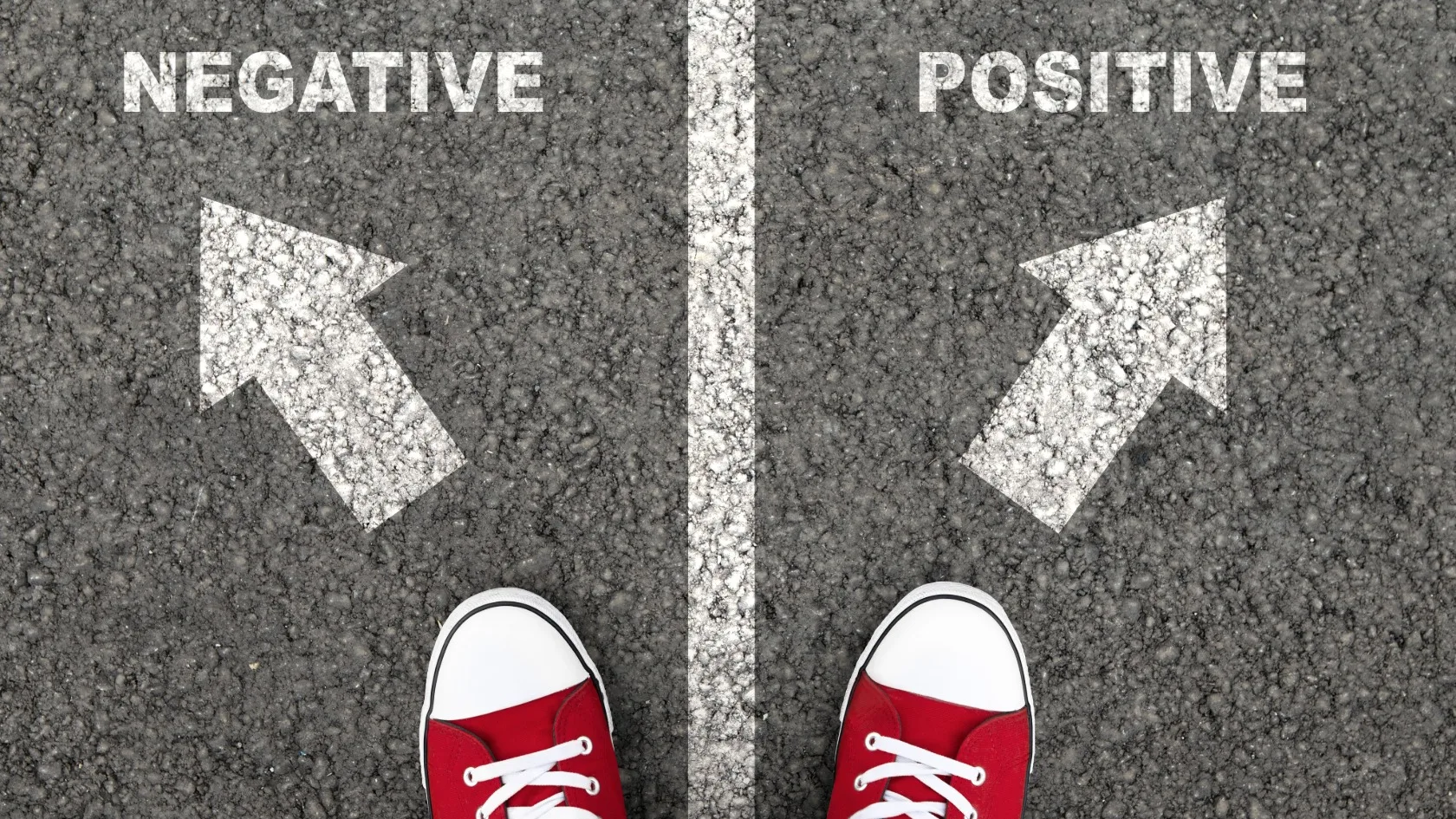
But you can start now with a few exercises:
- Practice gratitude. Write down all the things that you are thankful for. It could start from having a roof over one’s head and food on the table. Even if you have a job that you don’t particularly like, having a job is something to be grateful for. You get the idea.
- Think about your strengths. As above, write them down. Don’t be shy, everyone has strengths even if sometimes it might not feel that way. And it’s not just about intelligence or wealth, the most important strengths may be creativity, kindness and social intelligence. If you can’t think of anything, ask someone. And, by the way, if you find this hard because you believe humility is a virtue, humility should never be self-deprecating. Humility is just seeing facts as they are. If you are a good writer, or artist, or whatever it is, then that’s how it is. If you downplay your strengths, you are simply not being truthful to yourself.
- Notice nice things. Appreciate the flower on your yard, or the beautiful sunset. Enjoy your meals. Maybe your wife or husband looked nice this morning, notice that too. Make it a habit to see these things and then take it even one step further: tell that other person they look nice.
Just thinking about these exercises makes me feel happy. But what if there really seems to be nothing going well right now? What if your IBS symptoms are so bad that you are stuck at home curled up in a ball?
This is when having a positive mindset is more difficult, no doubt, though there’s always something. Like knowing that hard times make you a stronger person and no pain lasts forever. All things pass and you’ll come out a better person on the other side as you understand what pain feels like.
Also, practicing when things are better makes it easier to do this when things are hard. Like when you are having a good day with milder symptoms.
And no, you don’t have to be all cheerful all the time, no one can do that. But do make optimism and positivity part of your life on a daily basis.
What are you grateful for right now? What are your strengths? You can share with me by posting a comment, that would be lovely!
Much love,
Anna-Kaisa
PS. My free IBS guide has an exercise that relates to our topic that can be especially helpful in tackling daily stress. Download it here.
- Taherkhani Z, Kaveh MH, Mani A, Ghahremani L, Khademi K. The effect of positive thinking on resilience and life satisfaction of older adults: a randomized controlled trial. Sci Rep. 2023 Mar 1;13(1):3478. doi: 10.1038/s41598-023-30684-y. PMID: 36859479; PMCID: PMC9977771.
- Kubzansky LD, Huffman JC, Boehm JK, Hernandez R, Kim ES, Koga HK, Feig EH, Lloyd-Jones DM, Seligman MEP, Labarthe DR. Positive Psychological Well-Being and Cardiovascular Disease: JACC Health Promotion Series. J Am Coll Cardiol. 2018 Sep 18;72(12):1382-1396. doi: 10.1016/j.jacc.2018.07.042. PMID: 30213332; PMCID: PMC6289282.
- Makaremnia S, Dehghan Manshadi M, Khademian Z. Effects of a positive thinking program on hope and sleep quality in Iranian patients with thalassemia: a randomized clinical trial. BMC Psychol. 2021 Mar 16;9(1):43. doi: 10.1186/s40359-021-00547-0. PMID: 33726853; PMCID: PMC7968188.
- Fairbank EJ, Borenstein-Laurie J, Alberts NM, Wrosch C. Optimism, pessimism, and physical health among youth: a scoping review. J Pediatr Psychol. 2024 Aug 1;49(8):580-595. doi: 10.1093/jpepsy/jsae045. PMID: 38879445; PMCID: PMC11335150.

Related Posts

Related Posts